
by Sebastien GOULARD
During the night of 14-15 June, the Dormition Cathedral within the Kyiv Pechersk Lavra complex was targeted in a Russian attack that triggered a fire at this renowned site of Ukrainian religious heritage. During the same night, eleven people lost their lives as a result of Russian strikes across Ukraine.
As it has done following other controversial attacks, Moscow denied responsibility and offered an unconvincing explanation, claiming that the damage had been caused by an American-made Patriot missile launched by Ukrainian air defence forces. However, this was not the first time the religious site had been targeted by the Russian military. In January of this year, Russian missiles had already struck the complex.
The Kyiv Pechersk Lavra Monastery
The site is one of the most important centres of the Orthodox world. Founded in the ninth century by monks from Mount Athos, the monastery played a key role in spreading Orthodox Christianity across the territories of present-day Ukraine and Russia. The monastery is also closely associated with the repression carried out by the Soviet regime against Orthodox believers. It was here, in January 1918, that Vladimir Bogoyavlensky, Metropolitan of Kyiv, was executed by the Red Army. In 1992, Vladimir was canonised by the Russian Orthodox Church.
During the Second World War, the cathedral was destroyed by Soviet forces, which blamed the destruction on the Nazis. The deterioration of the site continued throughout the Soviet period. It was not until the year 2000 that the Dormition Cathedral reopened its doors. Today, the cathedral stands as a symbol of Ukraine’s resilience, and there is little doubt that this cultural and historical landmark will one day be rebuilt if necessary. By attacking this symbol of Orthodox Christianity, Russia undermines its own claim to be a protector of the Orthodox faith and instead reconnects with aspects of its Soviet past.
Reactions from the Orthodox Church
This is not the first time that Putin’s regime has targeted cultural sites. UNESCO has compiled a list of all heritage sites damaged since Moscow launched its invasion of Ukraine. As of June 2026, 536 sites were included on that list, more than a quarter of them religious sites, -a reality that seriously undermines Russia’s self-proclaimed role as a defender of Orthodox Christianity-.
From the Russian perspective, these attacks are intended to weaken Ukrainian morale and erase Ukraine’s cultural memory. Yet one consequence may be the further erosion of Russia’s leadership within the Orthodox world. The Archbishop of Ruse in Bulgaria condemned the attacks, as did Bartholomew I, Archbishop of Constantinople. The Romanian Orthodox Church described the strike as a loss for the whole of Christendom.
In Ukraine, reactions from religious authorities were even stronger. Metropolitan Epiphanius of Kyiv and All Ukraine, Primate of the Orthodox Church of Ukraine, described the attack as a “Russian crime against humanity, against history, and against Christianity.” Such attacks are encouraging Ukrainian Orthodox believers to distance themselves even further from Russia, a process already accelerated by the 2024 ban on the Ukrainian Orthodox Church (Moscow Patriarchate), one of Ukraine’s three Orthodox churches.
Within Russia itself, defending the attack has proven difficult. The Russian Orthodox Church has either downplayed the extent of the damage or echoed Moscow’s official narrative.
The wider international community, from Brussels to Paris, has condemned the strike as a barbaric attack, -using the words of French Foreign Minister Jean-Noël Barrot-, and as a war crime, according to Kaja Kallas, the European Union’s High Representative for Foreign Affairs and Security Policy.
A War Crime
Both Russia and Ukraine are signatories to the Hague Convention for the Protection of Cultural Property in the Event of Armed Conflict, which sets out the prohibitions and obligations that states must observe during wartime. The attack on the Dormition Cathedral is one of many cultural crimes committed by Russia during the current conflict. In addition to destroying Ukrainian heritage sites, Moscow has organised the systematic looting of cultural property in territories occupied by Russian forces.
It is also a crime against the religious history of Orthodoxy, one that will weigh heavily on the legacy of President Vladimir Putin. In this regard, he joins the ranks of the Red Army and the Golden Horde, both of which also set fire to the Kyiv Pechersk Lavra Monastery in earlier centuries.
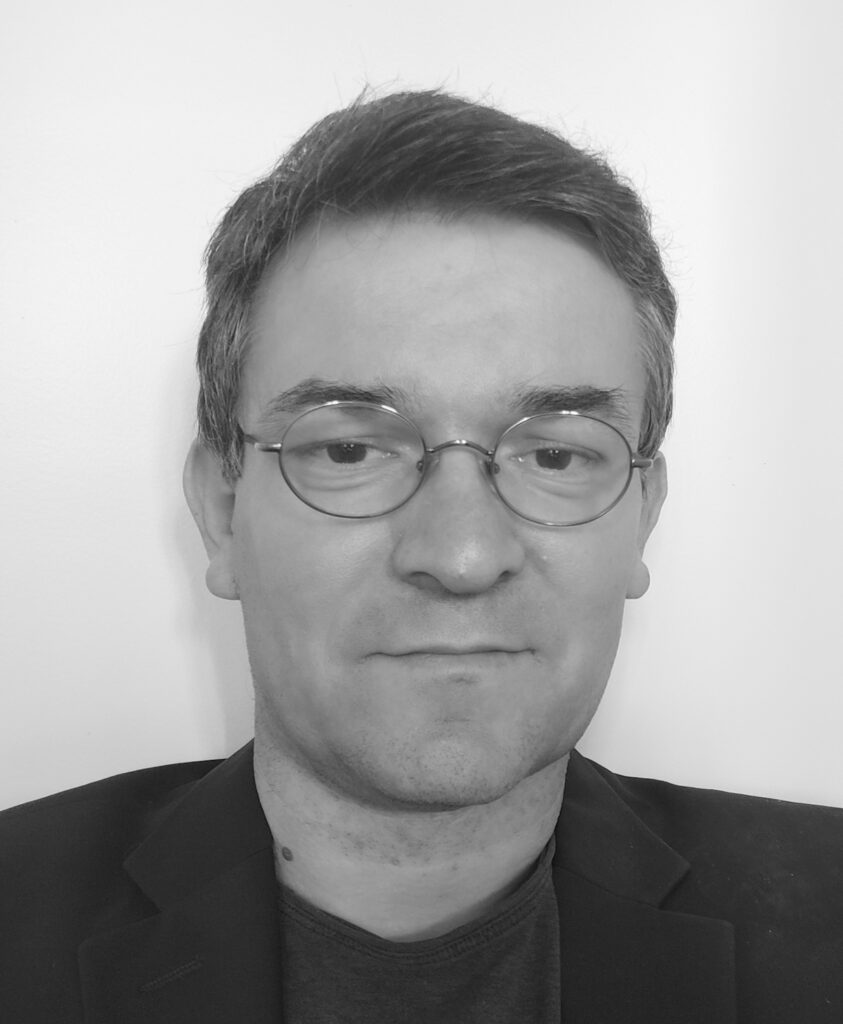
Sebastien GOULARD
Sebastien Goulard is a consultant at Cooperans, a consultancy specializing in international relations.
He is also the founder of Diplomarty.
Sebastien Goulard holds a doctorate in economic and social development from Ecole des Hautes Etudes en Sciences Sociales (School for Advanced Studies in the Social Sciences), Paris. He has been involved in several European research programs focusing on sustainable urbanization in China.