by Sebastien GOULARD
Tensions in the Middle East are having significant repercussions across the cultural and artistic sectors, undermining Saudi Arabia’s international ambitions.
For several years, under its “Vision 2030” strategy, Riyadh has sought to position itself as a leading player in the cultural sphere. This has notably involved the opening of new museums in the country’s major cities, both to enhance the visibility of local cultures and artists and to support the development of high-quality tourism.
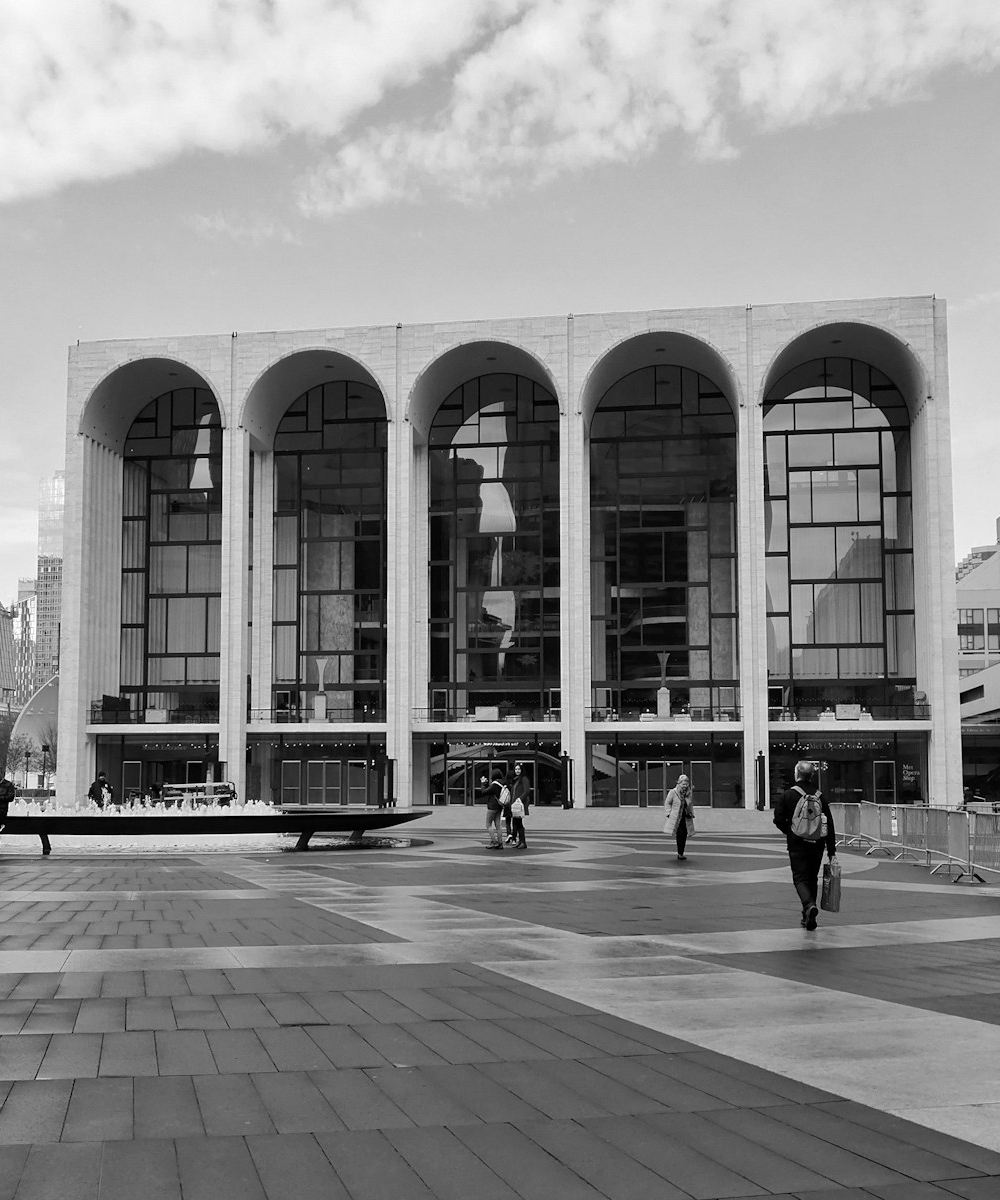
Saudi Arabia’s strategy extends beyond the domestic stage. The Kingdom has pursued partnerships with prestigious institutions worldwide to strengthen its soft power. However, tensions in the Persian Gulf have temporarily halted this momentum. In late April 2026, the termination of the partnership between Saudi Arabia and the Metropolitan Opera in New York was announced. This agreement was expected to provide the New York institution with nearly $200 million over several years. In return, the Metropolitan Opera was to stage a number of performances in the Kingdom, thereby contributing to the emergence of opera in Saudi Arabia. Today, however, Riyadh faces several challenges that are slowing the implementation of its cultural strategy.
First, Saudi Arabia has been forced to scale back its oil exports to key clients such as China and India, as long as navigation through the Strait of Hormuz remains unsecured. Riyadh has already developed an alternative via its Red Sea oil terminals, but these lack the capacity to replace the volumes previously transported through the Persian Gulf. In March 2026, Saudi oil production is reported to have declined by 20%. Paradoxically, rising oil prices are a source of concern for Saudi authorities, as they could lead to a slowdown in global demand.
In this context of budgetary uncertainty, the Kingdom is prioritizing its core economic fundamentals and waiting for the crisis to subside before reviving its international cultural partnerships. Saudi Arabia may also scale back its funding of LIV Golf, a professional men’s golf circuit launched in 2021.
The withdrawal from the agreement with the Metropolitan Opera can also be interpreted as a subtle signal to the international community, -particularly to Western intellectual circles -, to intensify efforts to find a resolution to the Middle East crisis. For Western cultural institutions, which are increasingly dependent on private funding, the suspension of financial partnerships with Saudi Arabia, as well as with the United Arab Emirates, represents a significant challenge. Saudi Arabia is seeking to demonstrate that it is an indispensable player in the artistic and cultural sector.
This recalibration by Riyadh does not only affect international partnerships. Several domestic events have also been postponed. Tensions with Iran are impacting global tourism, and the Middle East is currently suffering from a negative image that is deterring high-end visitors. This lack of interest is prompting Saudi Arabia to delay preparations for its major cultural events.
Nevertheless, Saudi Arabia’s ambitions remain unchanged, and economic diversification continues to be a central pillar of its strategy. As Riyadh aspires to global power status, it will continue to invest in its cultural sector to assert its soft power. The end of funding for the Metropolitan Opera is merely a temporary setback within this long-term strategy.
Sebastien GOULARD
Sebastien Goulard is a consultant at Cooperans, a consultancy specializing in international relations.
He is also the founder of Diplomarty.
Sebastien Goulard holds a doctorate in economic and social development from Ecole des Hautes Etudes en Sciences Sociales (School for Advanced Studies in the Social Sciences), Paris. He has been involved in several European research programs focusing on sustainable urbanization in China.