by Sebastien GOULARD
Relations between France and Algeria remain complex and are frequently instrumentalized on both sides of the Mediterranean. Issues related to colonization continue to hinder any meaningful normalization of their relationship. In this context, the restitution of Algerian heritage items regularly resurfaces as a topic of debate. Most recently, in April 2026, French Green MP Sabrina Sebaihi introduced a bill calling for the return of a cannon known as “La Consulaire” to Algeria.
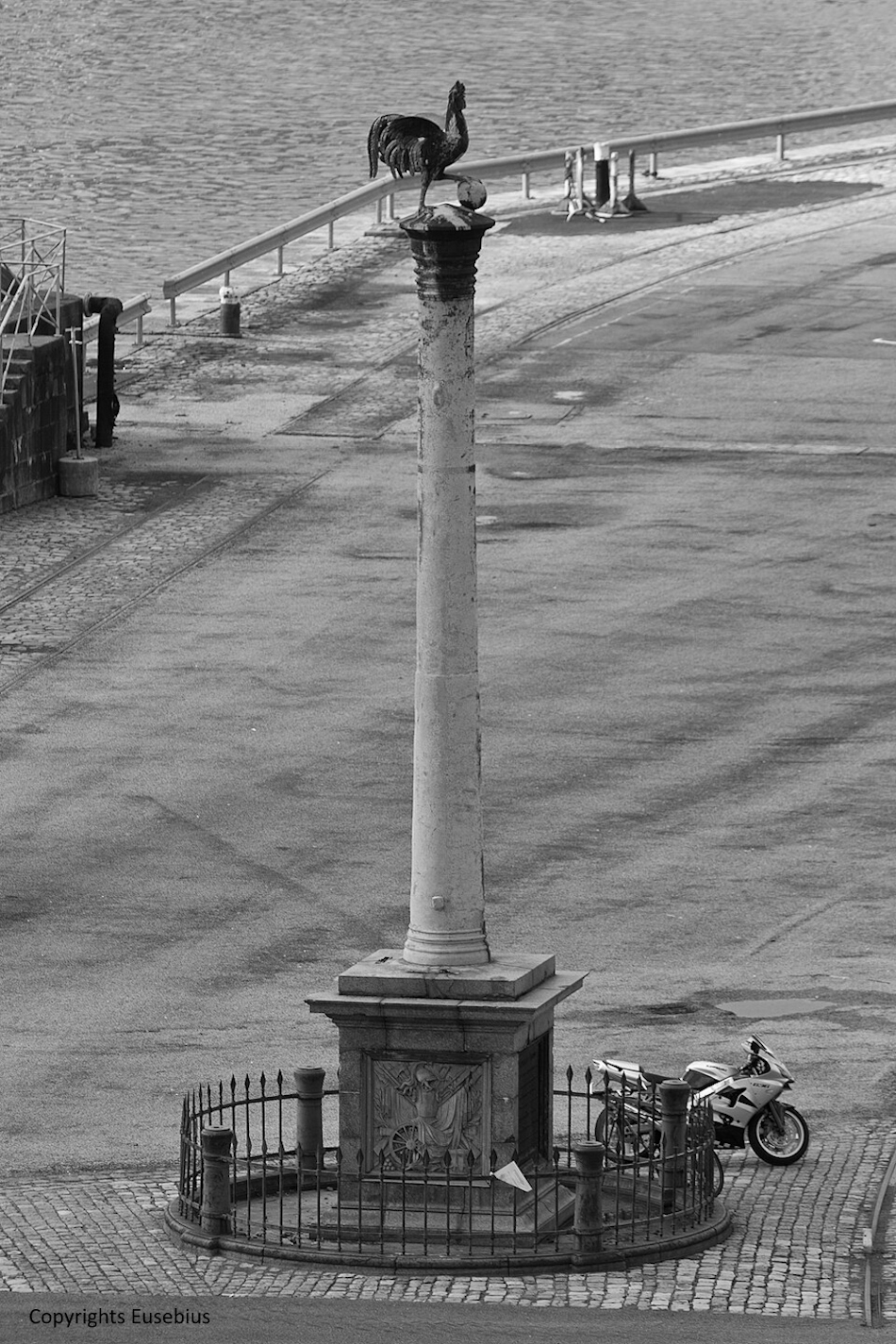
This cannon, also referred to as “Baba Merzoug” (meaning “the fortunate father” in Arabic), has stood in the port of Brest since 1833. Standing 6.58 meters tall, it was brought back from Algiers in 1830 during the military expedition led by General de Bourmont against the Regency of Algiers. This episode concluded with the Franco-Algerian Convention of 1830 and marked the beginning of French colonization.
Contested Origins
But is it truly an item of Algerian heritage? While it is undoubtedly a war trophy seized by the French, the cannon’s origins remain disputed. Some historians suggest it may have been captured by Charles V at the Battle of Pavia from Francis I in 1525, and later abandoned in Algeria in 1541. Others maintain that it was indeed cast in Algiers in 1542.
In any case, the cannon is also part of French history. Its name, “La Consulaire,” derives from its use in the execution of a French consul, Jean Le Vacher, in 1683, thereby making it a component of French heritage as well. This dual identity is further reinforced by modifications made in the 19th century, notably the addition of a rooster atop the cannon to symbolize a French victory. Should the cannon be returned, the question arises whether this feature ought to be altered.
A War Trophy
It is also important to recognize that “La Consulaire” is a piece of artillery—an instrument of war. In military tradition, it is customary to seize enemy weapons and flags and display them. As a result, numerous foreign weapons can be found in major military museums around the world. For example, the Musée de l’Armée in Paris exhibits other cannons from Algeria, as well as weapons captured in battles across Europe and Asia. The display of captured enemy weaponry is a practice adopted by many nations. Very recently, North Korea inaugurated a museum showcasing Western armored vehicles captured in Ukraine.
A Work of Memory
“La Consulaire” and its potential restitution were previously addressed in the Stora Report on colonization and the Algerian War, which recommended establishing a joint Franco-Algerian commission of historians to examine the issue. Given the importance of fostering strong relations between France and Algeria, the question of whether or not to return this cannon may seem anecdotal—unless it forms part of a broader initiative.
It is also essential to reflect on the status of weapons seized in combat and to consider whether they should be classified as artifacts subject to restitution.

Sebastien GOULARD
Sebastien Goulard is a consultant at Cooperans, a consultancy specializing in international relations.
He is also the founder of Diplomarty.
Sebastien Goulard holds a doctorate in economic and social development from Ecole des Hautes Etudes en Sciences Sociales (School for Advanced Studies in the Social Sciences), Paris. He has been involved in several European research programs focusing on sustainable urbanization in China.