by Sebastien GOULARD
Since 1985, the European Union has designated two new European Capitals of Culture each year. Following Chemnitz in Germany and the cross-border conurbation of Nova Gorica and Gorizia between Slovenia and Italy in 2025, Oulu in Finland and Trenčín in Slovakia have been awarded the title of European Capital of Culture for 2026. These two cities reflect the diversity of the European continent and, through their 2026 cultural programmes, hope to attract new visitors.
A City with a Long Cultural Heritage
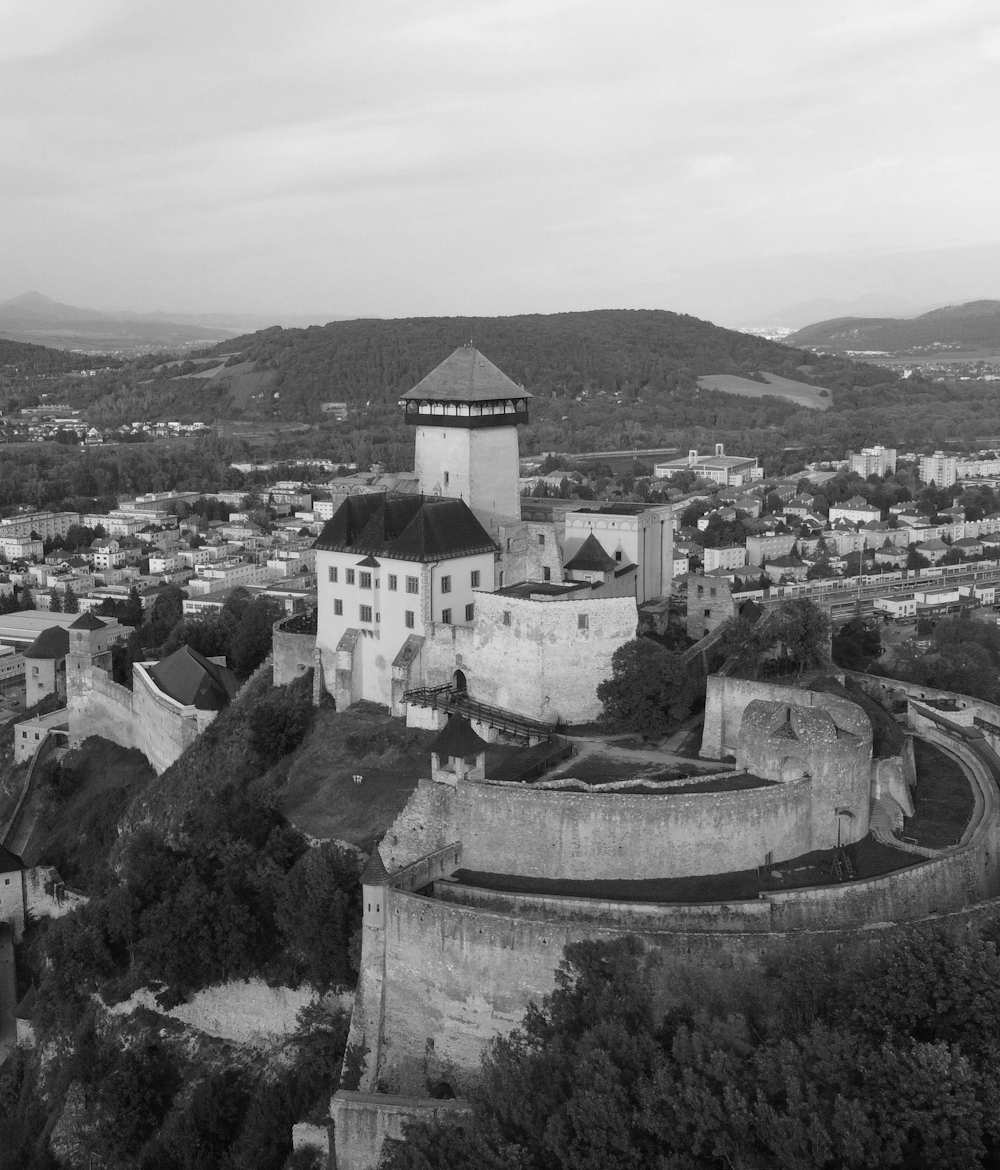
This marks the second time a Slovak city has been named European Capital of Culture. In 2013, Košice, the country’s second-largest city, received the same distinction. Trenčín, with a population of 54,000, is smaller but boasts considerable cultural wealth. Located just over 100 kilometres northeast of the capital, Bratislava, it is one of the oldest cities in the country. Known to the ancient Greeks, it appears under the name Leukaristos on Ptolemy’s world map. Rock inscriptions also attest to a Roman presence. Situated near the historic borders of Bohemia, Hungary, and Poland, Trenčín has experienced a turbulent history. Economic development accelerated in the 19th century with the arrival of the railway, and by the early 1920s the city had become an important textile centre. The history and local traditions of Trenčín will feature prominently in the 2026 programme, through concerts, shows, fashion displays, exhibitions, and theatre performances.
The Challenges of Trenčín 2026
As with previous editions, one of the key objectives of the event is to raise the international profile of Trenčín and its surrounding region. The city remains less well known than the capital, Bratislava, or Slovakia’s second-largest city, Košice. According to a European Commission study, the title of European Capital of Culture could increase visitor numbers by between 30% and 40%. Such visibility is essential to ensure that the “European Capital of Culture” effect endures for several years.
The social impact of such events must also be considered. The success of European Capitals of Culture largely depends on the involvement of local stakeholders in shaping the programme. Trenčín is relying heavily on its network of volunteers to welcome and guide visitors. The event could also help ease tensions within Slovak society. Since January 2025, the country has witnessed demonstrations, with young people and segments of the population opposing the pro-Russian and populist policies of Prime Minister Robert Fico. In office since October 2023, he survived an assassination attempt in May 2024. The “Trenčín, European Capital of Culture 2026” programme could help calm these protests by fostering a shared national ambition.
The cultural celebrations may also contribute to improving Slovakia’s image in Europe, which has been affected by Robert Fico’s positions regarding Ukraine. The event offers an opportunity to present a welcoming Slovakia that is open to the world.
Finally, questions remain regarding the content and orientation of Trenčín 2026. Since returning to power, Robert Fico appears to have adopted a more conservative approach to arts and culture. Several cultural institutions have been dismantled or have seen their funding reduced, primarily due to pro-LGBT programming. The current Minister of Culture, Martina Šimkovičová, has stood out for strongly nationalist statements and a forceful management style within the cultural sector. Could Trenčín 2026 become a space of resistance to the prevailing austerity in Slovakia’s cultural sphere? Or might the event be instrumentalised by the current government to advance its political objectives in the field of culture?