by Sebastien GOULARD
On 1 November 2025, the Grand Egyptian Museum finally opened its doors to visitors. It is now the largest museum in the world dedicated to Ancient Egypt. It also serves as a tool of promotion and influence for the Egyptian government. The inauguration ceremony brought together presidents and heads of state, royalty, as well as celebrities from across the globe. The goal is to attract nearly five million visitors per year, which would make the Grand Egyptian Museum one of the most visited museums in the world.
A Success for President al-Sisi
The Grand Egyptian Museum reflects Egypt’s ambitions: to offer new infrastructure while capitalising on its grandeur and heritage. In 2024, Egypt ranked first among African countries in terms of soft power, thanks to the momentum driven by President al-Sisi. The opening of the new museum therefore marks a crowning achievement for the Egyptian president and helps strengthen a sense of national pride.
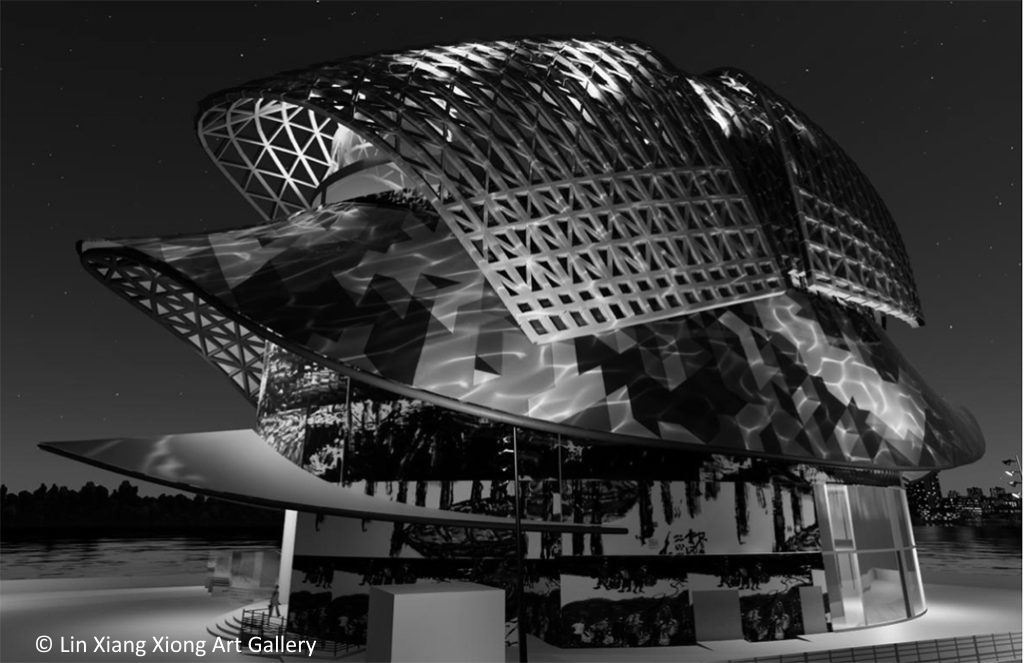
The idea of creating a major museum of Ancient Egyptian civilisation is not new. In 1992, President Hosni Mubarak officially launched the project to build the Grand Egyptian Museum near the Giza pyramids. But due to a lack of funding, the project was delayed. It was only in 2003 that the Irish firm Heneghan Peng was selected after an international competition. The firm proposed a structure strongly inspired by the surrounding pyramids. However, constructing such an enormous building (the main structure covers more than 133,000 m²) was bound to take time — a great deal of time.
Construction began in 2005, but the 2008 financial crisis delayed the work. Then, in 2011, the Arab revolutions erupted, leading to the fall of Hosni Mubarak. A political transition followed, but Egypt’s economy was severely affected. In 2013, a coup d’état took place and President Mohamed Morsi was removed from office by the army, once again delaying the museum project. In 2014, a new constitution came into force and General Abdel Fattah al-Sisi was elected. He set about stabilising the country and launching a policy of major infrastructure projects. Construction of the Grand Egyptian Museum resumed, only to be halted again in 2020 due to the Covid pandemic. A partial opening was announced for autumn 2022, but it was only on 1 November 2025 that the entire museum finally opened to the public.
A Museum of Superlatives
The Grand Egyptian Museum cost more than €1.2 billion. It is one of the most important museums in the world, especially in Africa and the Arab world.
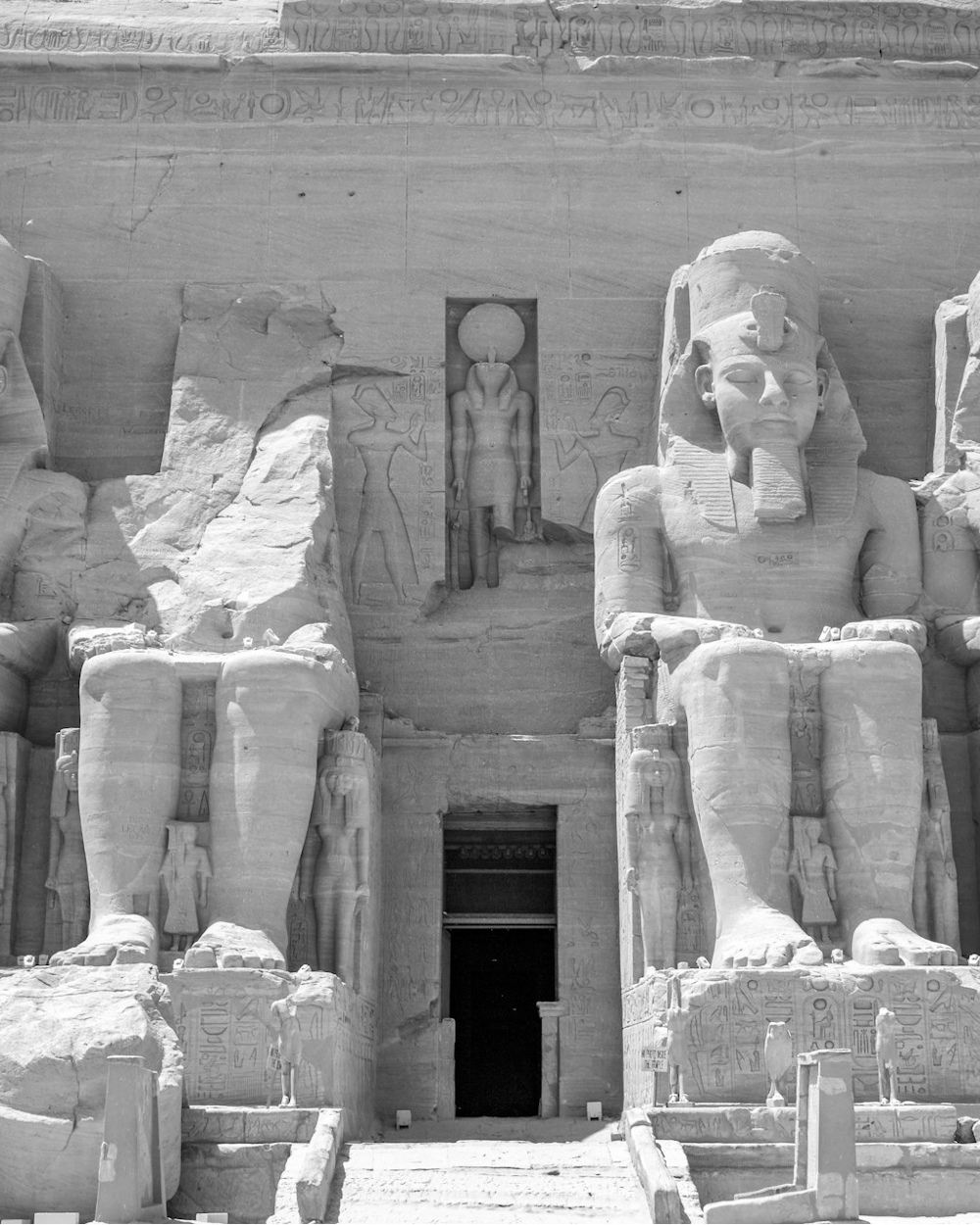
The museum brings together more than 50,000 artefacts, including nearly 5,000 from the collection of King Tutankhamun. Among these treasures stands the statue of Ramses II. Eleven metres tall, the statue has finally found an appropriate setting from which visitors can admire it. It was previously displayed outdoors near Cairo’s railway station, exposed to pollution.
The Grand Egyptian Museum is designed to allow Cairo to compete with the new museums opening in the Arabian Peninsula in 2025. Abu Dhabi, for instance, is inaugurating two new and architecturally bold museums: the Guggenheim and the Zayed National Museum. In Saudi Arabia, several museums are also expected to open soon, including the Red Sea Museum in Jeddah.
But unlike these more elitist regional museums, Ancient Egyptian civilisation enjoys a timeless appeal among visitors of all ages, cultures, and social backgrounds.
A Museum Serving a Strategy
The Egyptian government hopes that the Grand Egyptian Museum will generate nearly $55 million annually from admissions. But these revenues are only the tip of the iceberg. Indirect revenues — from hotels, restaurants, and the tourism sector as a whole — are expected to be much higher. Today, Egypt attracts more than 15 million visitors each year and is the second most visited country on the African continent after Morocco. But Prime Minister Mostafa Madbouly has announced his intention to double this number by 2030.
The Grand Egyptian Museum would provide a magnificent setting for masterpieces currently displayed abroad, such as the Rosetta Stone at the British Museum or the bust of Nefertiti at Berlin’s Neues Museum. Its opening has revived demands for the restitution of Egyptian heritage held overseas. For Mohamed Ismail Khaled, Secretary-General of the Supreme Council of Antiquities, the Rosetta Stone should return to Egypt. With the Grand Egyptian Museum, Cairo shows the world that it has nothing to envy from Western capitals and that it has the necessary infrastructure to host major pieces of its history. It will become increasingly difficult for European and American museums to ignore Egypt’s restitution demands.
Egypt’s Renewal
The Grand Egyptian Museum is not the only major project underway in Cairo. Egypt is modernising its capital. A new administrative district is being built about forty kilometres east of Cairo. Sphinx International Airport, located near the Giza pyramids and opened only five years ago, is already expected to be expanded to accommodate nearly 1.2 million passengers per year. Likewise, Cairo International Airport is also due for renovation, with a fourth terminal planned under a recent $3.5 billion proposal.
In addition, Cairo’s entire transport system — in Africa’s most populous metropolis — is undergoing a major transformation, with new metro lines under construction and several existing lines set to be extended in the coming years.
Despite regional tensions, Egypt has not abandoned its ambitions, and the Grand Egyptian Museum stands as a symbol of this determination. This new museum is poised to become one of Cairo’s key instruments of cultural diplomacy.

Sebastien GOULARD
Sebastien Goulard is a consultant at Cooperans, a consultancy specializing in international relations.
He is also the founder of Diplomarty.
Sebastien Goulard holds a doctorate in economic and social development from Ecole des Hautes Etudes en Sciences Sociales (School for Advanced Studies in the Social Sciences), Paris. He has been involved in several European research programs focusing on sustainable urbanization in China.